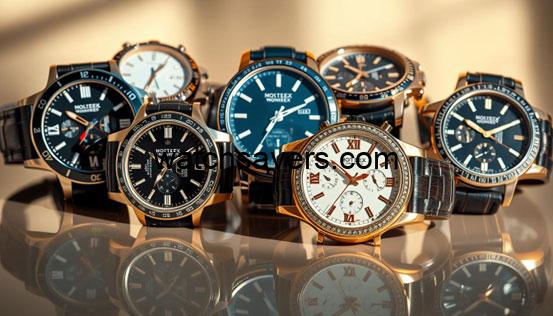
Replica Watches

Uncover the Truth About Imitation Watches Today

Uncover the Truth About Imitation Watches Today

Dive deep into the world of imitation watches and discern the realities shaping this controversial market. Explore quality, legality, and impact.

Uncover the Truth About Imitation Watches Today

Luxury watches are highly desired, sparking interest in imitation watches. The market for replica watches is vast, generating around 40 million counterfeit watches every year. This is twice as many as genuine Swiss watches, making up a billion-dollar shadow industry. People everywhere want luxury brands like Rolex, Cartier, and Omega without the steep price. So, they turn to replicas that look almost real but cost much less.

The story behind imitation watches is complex, mixing beauty with deceit. These fakes are among the top five most counterfeited items in the world. This situation puts consumers and makers of genuine watches in a tough spot. We find ourselves wanting the look of luxury without the hefty price tag, yet longing for true quality and craftsmanship. The deeper we look, the more we see how intricate the world of fake watches really is.

1 6
Uncover the Truth About Imitation Watches Today 5

Key Takeaways

  • Imitation watches have created a staggering shadow economy, outpacing genuine Swiss watch production.
  • Despite intense efforts by the watch industry to curb counterfeiting, these replica timepieces infiltrate the market in vast numbers.
  • High demand for luxury watches and the exorbitant cost of genuine articles fuel the replica watch market.
  • Advancements in technology enable counterfeit watch producers to closely mimic the appearance of high-end watches, often fooling even discerning eyes.
  • Fake watch manufacturers leverage user feedback from avid communities to perfect their replicas, making them increasingly difficult to identify.
  • Understanding the legal and ethical shades of the gray market is essential for consumers navigating the complex world of watches.
  • Replicas, homage watches, and counterfeit watches vary significantly in methodology and legality, with both risks and realities to be aware of.

The Booming Market of Imitation Watches

The fake watch industry isn’t just a small issue; it’s a huge network of crime that hurts the luxury watch world. It costs the Swiss economy almost $3.5 billion each year. The imitation watch market is growing fast and causing big problems.

Luxury watches mean status and precision, but fake ones are everywhere. They look so real that often even experts can’t tell. Criminals now use advanced machines to make these copies, making it hard to tell real from fake.

It’s not just about losing money. Interpol says that counterfeit watch sellers often do other crimes too, like drug trafficking and terrorism. The fake watch trade mixes illegal acts with the desire for luxury at a cheaper price.

Let’s look at how bad the situation is with counterfeit watches today:

StatisticDetail
Annual Economic Impact$3.5 billion loss to Swiss economy
Daily SalesApproximately 9,232,876 counterfeit watches
Weekly SalesAround 64,807,692 fake watches
Annual ProductionEstimated 40 million fake watches
Undetectable Counterfeits10% nearly impossible to identify without expert authentication

Counterfeit watches are everywhere because they’re easy to get. Street markets and online sites sell the most, making these fake watches hard to avoid. People might buy them without knowing they’re fake or may choose to buy knowing they’re not real.

Fighting this issue starts with being aware and careful. It’s a tough challenge, but realizing how big and harmful the counterfeit watch market is, is the first step. We need to defend the true craftsmanship and history of real watchmaking.

Imitation Watches: A Mirror to Luxury or Deceit?

Luxury watches are highly sought after, but their big price tags have led to a surge in imitation timepieces. These fakes challenge the exclusivity of real luxury brands and bring up big ethical questions. Let’s explore how these replicas compare to the real deal when it comes to looks, status, and their impact on the industry.

Visual Accuracy vs. Authentic Quality

High-end fake watches can look incredibly real, but they often lack in mechanical reliability and durability. For example, Rolex 3135 clones try to copy actual Rolex mechanics but usually fall short. Also, Asian movements like A2834 and A2836 may look like Swiss ETA movements, but they miss the mark on craftsmanship and detail.

The Illusion of Status

Wearing a luxury watch is usually about showing off social status, not just keeping time. Imitations offer the look of luxury for less money. People buy these knowing they’re not real, yet they enjoy the status they seem to provide. Still, the quality and durability of a genuine luxury watch is something they can’t match.

Ethical Considerations and Market Impact

Fake designer watches bring up ethical problems, like stealing intellectual property and hurting traditional craftsmanship. The impact of counterfeit luxury goes beyond just one brand, it can hurt the whole luxury watch industry’s reputation. Choosing imitations feeds a market built on dishonest practices and might even support illegal activities.

Uncover the Truth About Imitation Watches Today
Uncover the Truth About Imitation Watches Today 6

Knowing about these issues helps shoppers make smarter choices and think about how their buys affect the larger luxury market. Choosing real over fake supports the artistry and history of genuine brands and ethical business in the luxury goods field.

MovementAccuracySpecifications
Miyota 6T15/6T51-20 to +40 sec/dayStandard Precision
Miyota 90S5/9100-10 to +30 sec/dayHigher Precision
Swiss Clone (e.g., Patek Philippe, Rolex)High AccuracyDesigned to mimic luxury performance
21J/DG2813 Chinese Movement21,600 vibrations per hourEquipped with 23 jewels
A2834/A2836 Clone MovementsHigh beat rate of 28,800 vibrations per hourImitates Swiss ETA movements

Technological Advancements in Replica Timepiece Production

We’re going into the world of replica timepiece technology. It’s key to see how well this industry has done in copying traditional watchmaking’s growth. From simple mechanical watches to the new digital and smartwatches, the journey reflects the complex art of clone watches.

The timeline shows a side-by-side journey in real and advancements imitation watches:

DecadeInnovation in Genuine WatchesImpact on Replica Watch Industry
1960sIntroduction of quartz technologyCloning of quartz movements, making replicas more reliable
1970sAdvent of digital watchesIncorporation of digital displays in replicas
Late 20th CenturyResurgence of mechanical watchesEnhanced focus on mechanical intricacies in fake watches
21st CenturyEmergence of smartwatchesIntegration of smart functionality in clone watches
PresentUse of high-tech materials like ceramic and titaniumAdoption of similar materials to enhance clone aesthetics

This table shows how the replica world follows each major step in genuine watchmaking.

  • Sustainability is now key in watchmaking, with many real brands using recycled materials and energy-saving designs. Replicas are starting to do the same. This shows they’re getting more responsible in advancements imitation watches.
  • Still, the big problem of fake watches remains. Each year, millions of these knock-offs enter the market.

In all these changes, replica timepiece technology is not just about making copies. It’s about learning and changing, just like any tech. Understanding how clone watches change and improve shows the industry wants to be more than deceptive.

Imitation watches: Understanding the Scale and Scope

The scale of fake watch industry is truly large, with Rolex at the top of the list for counterfeits. The profit from fake luxury watches is surprisingly high. It’s been found that fake Rolex sales might even surpass real ones. Looking into the global imitation watch market, we see that all Rolex models, such as the Submariner and Daytona, are copied.

When looking to buy a Rolex, consumers find different options. Each option has its own set of risks and rewards. Buying from an official store means you’re getting a real watch and warranty. However, buying from unofficial sellers might offer better prices but increases the chance of buying a fake. Online shopping offers big discounts but comes with the highest risk of fakes.

Purchase MethodAdvantagesRisks
Authorized RetailerAuthentic product with warrantyHigher prices
Gray Market DealerNegotiable pricesPossible counterfeit, voided warranty
OnlineSignificant discountsCounterfeit products, no returns

The global imitation watch market thrives not only on the streets but also online. The internet’s anonymity makes for a vast, unchecked space. This situation allows for easy purchase of fake luxury watches, be it accidental or on purpose.

Luxury watchmakers are fighting back hard against fakes. Some take legal action against counterfeit rings. Their efforts highlight the ongoing struggle with the faux luxury watches market. They show how much real manufacturers care about their legacy and brand worth.

The Fascination with Fake Designer Watches

People love fake designer watches for many reasons. They enjoy the thrill and the savings from owning a look-alike. The market for these replicas is huge. It ranges from cheap imitations to high-quality copies of famous brands.

The Appeal of Imitation

The fake watch market is thriving. Each year, 30 to 50 million counterfeit watches enter the market. This is huge compared to the one million authentic Rolex watches made annually. Prices for fake Rolexes can be as low as $50 or as high as $300. Super Clone watches, which look exactly like the real thing, can cost over a thousand dollars.

People buy fake watches for various reasons. Some see it as a way to rebel against the high costs of luxury items. Others pride themselves on finding fakes that look real.

Consumer Psychology Behind Choosing Fakes

Fake watches appeal to those wanting luxury looks without the big price tag. They challenge societal norms about value and authenticity. Interestingly, an estimated 20-50% of art in museums might be fake. This is similar to the vintage watch market’s authenticity issues.

Making a convincing fake watch is technically challenging. Even a small mistake can give it away. Buyers weigh the fake’s quality against its price and whether it will pass in social settings.

Navigating the Gray Market: Risks and Realities

Buying luxury watches for less on the gray market is tempting. Yet, it’s key to know the gray market risks. Itโ€™s especially true when telling real watches from high-quality fakes.

Distinguishing Genuine from Imitation

Luxury watches, like Rolex, are big business, making over $8.6 billion a year. With Rolex producing around 1.05 million watches in 2021, fake sellers see a chance. Here is what the numbers mean for risk:

StatisticImplication
Rolex annual sales: $8.6 billionHigh demand can lead to scarcity, pushing consumers towards unauthorized sellers.
Price of Submariner watches in 2021: $15,000Increased prices in the secondary market encourage consumers to risk purchasing from gray market sources.
Estimated Rolex watches made in 2021: 1.05 millionA vast supply can flood the market, making it harder to verify authentic sources.

Legal Implications and Consumer Rights

It’s important to know about imitation watches legality when shopping the gray market. Copying designs is one thing, but using exact brand names and logos breaks trademark laws. A March 2022 legal case showed the complex legal issues for sellers and buyers alike.

3 7
Uncover the Truth About Imitation Watches Today 7

For those exploring gray market deals, clone watches consumer rights can be uncertain, affecting buyerโ€™s protection. Using payment methods like Western Union, which some fake watch sellers prefer, doesnโ€™t protect the buyer. So, be smart and careful when buying.

Knowing what you’re doing is key in the gray market. Being informed is the best defense. This way, buyers can enjoy luxury items while staying legal and not losing money.

Conclusion

Reflecting on this, we see how big the impact of fake watches is. It’s more than just about saving money. These fakes harm the image of true luxury. Around 15-30% of searches for luxury watches online are for fakes. This damages the reputation of real craftsmanship. It’s bad for luxury brands and hurts the standard of quality we expect.

Fake watches take millions of dollars away from real watchmakers. This costs the Swiss watch industry billions each year. Besides losing money, these fakes mislead buyers. Experts can spot a fake from far away. They don’t last long and are usually not water-resistant. For example, Rolex watches have special features like the “Cyclops” lens that fakes can’t copy well.

Our journey shows buying from trusted sellers and choosing certified pre-owned luxury watches can avoid these problems. Real luxury watches tell a story and keep their value. They are of unmatched quality. Even though fakes will always be around, we can choose real watches. This protects the art of watchmaking. We should look for real watches that last. In a world full of copies, the true value of authenticity remains.

FAQ

What Exactly Are Imitation Watches?

Imitation watches, or replicas, are unauthorized copies of high-end watches. They copy the design, logo, and sometimes mechanisms of real brands. They aim to look and feel alike but at a lower cost. High-quality fakes can look very similar to genuine ones. Yet, they don’t match the original’s quality, craftsmanship, or warranty.

How Big Is the Market for Imitation Watches?

The market for imitation watches is huge and growing. About 40 million fake watches are made each year, earning close to $1 billion. This is double the output of genuine Swiss watches. Imitation watches are a big part of the watch industry.

Is There a Difference Between a ‘Fake’ and a ‘Replica’ Watch?

‘Fake’ and ‘replica’ watches may seem the same, but there is a slight difference. Replicas aim to closely mirror the original, often using better materials. ‘Fake’ usually means a lower quality, visibly counterfeit item. Both are unauthorized copies of brand-name watches.

What Technological Advancements Have Been Made in the Production of Imitation Watches?

The counterfeit industry has advanced technologically. It uses scans of real watches to copy details. They even mimic the machinery used by original makers. These advances let fake watchmakers better mimic precision and quality over time.

How Does Owning an Imitation Watch Impact the Luxury Watch Market?

Owning fake watches hurts the luxury watch market. It reduces sales and harms brand reputation. Counterfeits also mean big losses for genuine brands. They can fool buyers into getting lower-quality items.

Can the Purchase of an Imitation Watch Have Legal Consequences?

Yes, there can be legal trouble for buying, selling, or having fake watches. It’s seen as intellectual property theft. This could lead to fines or court. While consumers rarely face charges, they still support a harmful illegal market.

How Can Consumers Distinguish Between Genuine and Imitation Watches?

To spot fakes, check the craftsmanship and look for logo or design flaws. Originals differ from counterfeits in details. Getting a third-party to check, buying from official sellers, and knowing about trademarks help in identifying real watches.

Why Might Someone Intentionally Purchase an Imitation Watch?

People might buy fakes for many reasons. They may want the prestige of a luxury brand without its cost. Others admire the craftsmanship of fakes, or collect them. Some like luxury watch styles but don’t want to spend much.

What Is the Gray Market, and How Does It Differ from the Fake Watch Market?

The gray market sells real, brand-name watches through unofficial channels, often cheaper. This is different from the fake watch market. That market only deals in counterfeits, violating intellectual property rights.

Are There Any Ethical Considerations When Buying an Imitation Watch?

Buying fake watches raises ethical issues. This market encourages stealing intellectual property, may link to crimes, and harms legitimate business and workers. It promotes dishonesty and undermines true craftsmanship’s value.

Leave a Reply

Your email address will not be published. Required fields are marked *